
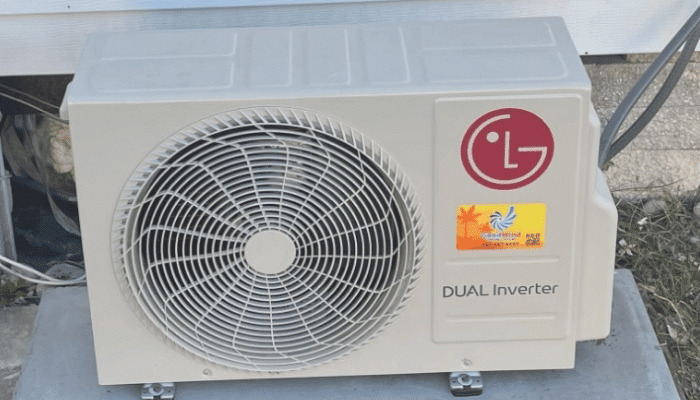
Quick answer: In most cases, a light burning smell the first time you run your heat pump for the season is completely normal. It's usually dust that settled on the heating elements over the long Florida cooling season burning off, and it should fade within an hour or two. But if the smell is strong, smells like melting plastic or hot metal, comes with smoke, or doesn't go away, turn the system off and call a licensed technician.
Here in St. Petersburg, our heat pumps sit in cooling mode for most of the year. So when that first cool front finally rolls through Pinellas County and you switch to heat for the first time in months, a faint "something's burning" smell catches a lot of homeowners off guard. Let's break down what's normal, what isn't, and exactly what to do next.
The Most Common Cause: Dust Burning Off
For most of the year in Florida, your heat pump is doing one job: keeping you cool. The heating components sit unused for months, and in that time a fine layer of dust settles on the heat strips and internal parts.
The first time you kick the system into heat mode, those components heat up and burn off that accumulated dust — a bit like the first time you turn on a space heater or an oven after a long break. The result is a faint burning or "hot dust" odor that drifts through your vents for the first few cycles.
This is the single most common reason a heat pump smells like burning on the first cold night, and it's rarely anything to worry about.
Signs it's just dust burn-off:
- The smell is faint and "dusty" rather than sharp or chemical
- There's no smoke
- It appears only when you first switch to heat for the season
- It fades within one to two hours (often within the first cycle or two)
- Everything else about the system sounds and feels normal
When the Burning Smell Is Normal (and When It Should Stop)
A little patience usually solves it. Here's a simple timeline to gauge whether your heat pump is behaving normally:
- First 1–2 hours: A faint burning-dust smell is expected. Open a window or two for airflow if it bothers you.
- After a few heating cycles: The smell should be gone entirely. The dust has burned off and won't return until next season.
- If it's still there the next day: That's your signal that something more than dust may be going on — time to look closer or call a pro.
A quick, free thing you can do right now to cut down on the smell: change your air filter. A clogged filter forces your system to work harder and circulates more dust. If you can't remember the last time you swapped it, this is the moment.
Burning Smells That Are NOT Normal
Not every burning smell is harmless dust. Some point to a real electrical or mechanical problem that needs a heating repair in St. Petersburg before you keep running the system. Here's how to tell them apart:
- Burning plastic or melting-electrical smell A sharp, chemical, "hot plastic" odor can mean overheating wiring, a failing capacitor, or a component melting inside the unit. Turn the system off and call a technician.
- Hot metal or "grinding" smell A metallic, overheated smell — sometimes paired with a grinding or squealing noise — can signal a motor running hot or worn bearings. Left alone, this can burn out the motor entirely.
- Smoke of any kind If you see or smell actual smoke, don't wait. Shut the system off at the thermostat, and if you suspect an active fire risk, cut power at the breaker and call 911.
- Rotten-egg or sulfur smell Most Florida homes run electric heat pumps, but if you have a gas furnace, a rotten-egg smell can indicate a gas leak. Leave the home immediately, don't touch light switches, and call your gas company or 911 from outside.
- Musty or mildew smell (not quite "burning") Sometimes what feels like a burning smell is actually a musty odor from moisture and buildup inside your ducts or air handler — very common in humid Pinellas County. That's an indoor air quality issue rather than a heating one. Our duct cleaning and indoor air quality services address it directly.
What to Do Right Now
If your heat pump smells like burning, run through this quick checklist:
- Identify the smell. Dusty and faint? Probably normal. Sharp, chemical, metallic, or smoky? Treat it as a warning sign.
- Check for smoke. Any smoke means shut it down immediately.
- Give it an hour. For a faint dust smell, let the system run a couple of cycles and see if it clears.
- Change your air filter. A dirty filter makes dust smells worse and strains the system.
- Still smelling it the next day — or is it strong/chemical? Turn the system off and schedule a repair.
When in doubt, it's always safer to have a licensed technician take a look than to keep running a system that might have an electrical fault.
How to Prevent the Burning Smell Next Season
The best way to skip the first-cold-night burning smell — and catch small problems before they become breakdowns — is a heating tune-up before the cool weather arrives. A pre-season check clears out dust, tests the electrical components, and makes sure your system is ready when you actually need it.
Enrolling in an HVAC maintenance plan makes this automatic: we remind you when it's time, keep your system clean, and help protect your manufacturer's warranty. If you're weighing whether it's worth it, our breakdown of how a maintenance plan saves you money year-round walks through the numbers.
Want to go deeper on how heat pumps work and how to run them efficiently? The U.S. Department of Energy's heat pump guide is a solid, unbiased resource.
When to Call GoodWind for Heat Pump Repair
You know your home better than anyone. If that burning smell doesn't sit right with you — or it comes back, gets stronger, or brings smoke or strange noises — trust your instincts and reach out.
GoodWind Cooling & Heating is a family-owned, fully licensed HVAC company serving St. Petersburg and communities across Pinellas County.
Usually not. A faint, dusty burning smell on the first cold night is normal dust burn-off and clears within an hour or two. It becomes a concern if the smell is sharp/chemical, smells like hot metal, comes with smoke, or doesn't go away — in those cases, turn the system off and call a licensed technician.
For normal dust burn-off, the smell should fade within one to two hours, often after just a cycle or two. If it lasts into the next day, have your system inspected.
No smoke is a good sign — it points toward harmless dust burn-off rather than an electrical fault. Change your air filter, let it run a couple of cycles, and see if it clears.
If the smell is faint and dusty with no smoke, you can let it run briefly to burn off the dust. If it smells like burning plastic or hot metal, or you see any smoke, turn it off right away and call for service.
Not always — most first-of-the-season burning smells are just dust. But a persistent, chemical, or metallic burning smell often signals a component that needs attention, such as a capacitor, motor, or wiring issue.