
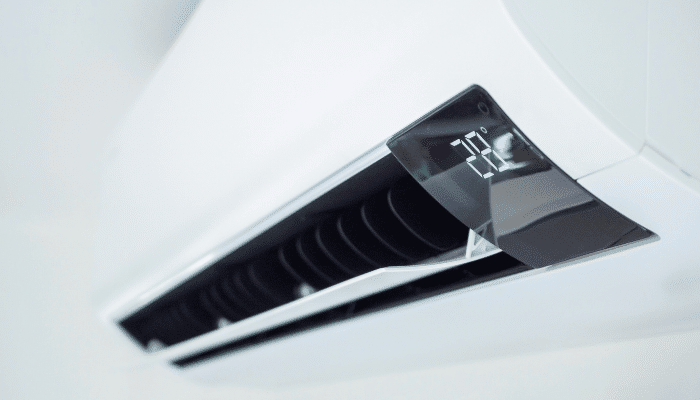
Ductless AC Maintenance Tips for Florida Homeowners
Florida is not a forgiving place for HVAC equipment. Year-round usage, coastal salt air, intense summer heat, and humidity that never fully lets up mean your ductless mini-split is working harder — and in harsher conditions — than systems in almost any other part of the country.
The good news: mini-splits are genuinely low-maintenance compared to central AC systems. There's no ductwork to inspect, no air handler filter to replace monthly, and no blower motor buried in a closet you can't easily access. But "low maintenance" doesn't mean "no maintenance," and the homeowners who get 15–20 years out of their mini-splits are the ones who stay on top of a few simple tasks.
Here's exactly what to do, how often to do it, and what to leave to a professional.
Why Maintenance Matters More in Florida Than Anywhere Else
Before getting into the specifics, it helps to understand what Florida does to mini-split systems that other climates don't:
Year-round runtime. In Minnesota, a mini-split might run hard for three or four months. In St. Petersburg, it runs essentially every month of the year. That's two to three times the annual hours, which means wear accumulates faster on every moving and electrical component.
Humidity. Florida's high humidity means the evaporator coil inside your indoor unit is constantly pulling moisture out of the air. That moisture creates the perfect environment for mold, mildew, and biological growth inside the unit — especially in the drain pan and on the coil itself. Without regular cleaning, that growth circulates through the air in your home.
Coastal salt air. If your home is within a few miles of the Gulf — St. Pete Beach, Indian Rocks Beach, Gulfport, and much of coastal Pinellas County — salt-laden air accelerates corrosion on the outdoor condenser's fins, coil, and electrical components. This is one of the primary reasons outdoor units in coastal areas age faster than their rated lifespan.
Summer heat spikes. When outdoor temperatures push into the low 90s for weeks at a time, your mini-split's compressor and fan motor are running at or near maximum capacity for extended periods. A system with restricted airflow, dirty coils, or low refrigerant charge during these stretches is the one that fails in August, when every HVAC company in Pinellas County is booked out.
What You Can Do Yourself
Clean the Indoor Unit Filters — Every 2 to 4 Weeks
This is the single most important thing you can do for your mini-split, and it takes about five minutes.
Every indoor air handler has a washable filter behind the front panel — usually two mesh screens that slide out easily. In Florida's dusty, humid air, these clog faster than you'd expect. A clogged filter restricts airflow over the evaporator coil, which forces the system to work harder, reduces cooling capacity, increases energy consumption, and — if left long enough — can cause the coil to freeze.
How to do it:
- Turn the unit off at the remote or wall controller
- Open the front panel — most units have tabs on either side that release it
- Slide out the mesh filter screens
- Rinse them under warm water, gently scrubbing with a soft brush if there's visible buildup
- Let them dry completely before reinstalling — never put wet filters back in
- Snap the panel closed and turn the unit back on
If you're in a dusty environment, have pets, or run the system nearly 24 hours a day (common in Florida summers), check filters every two weeks rather than monthly. ENERGY STAR recommends regular filter maintenance as one of the top ways to maintain mini-split efficiency.
Wipe Down the Indoor Unit Exterior
Dust and grime accumulate on the outside of the unit and around the vents. A quick wipe-down with a damp cloth every month or so keeps airflow unobstructed and prevents buildup from getting pulled back into the unit. Don't use harsh cleaners or spray anything directly into the vents.
Keep the Area Around the Outdoor Unit Clear
Your outdoor condenser needs airflow to reject heat. Overgrown shrubs, accumulated leaves, or debris pressing against the unit restrict that airflow and reduce efficiency — sometimes significantly.
What to do:
- Keep at least 18–24 inches of clear space on all sides of the outdoor unit
- Trim back any plants or hedges that have grown close to it
- After storms, check for leaves, twigs, or debris that may have collected around or inside the unit
- Never stack anything against or on top of the outdoor unit
Gently Rinse the Outdoor Unit
A light rinse with a garden hose on a low-pressure setting every few months removes dust, pollen, and — for coastal homeowners especially — salt deposits from the condenser fins. Don't use a pressure washer; the fins are delicate aluminum and will bend under high pressure, restricting airflow.
Rinse from the top down, letting water drain naturally. Turn the unit off before rinsing and give it a few minutes to dry before turning it back on.
Check the Condensate Drain Line
Your indoor unit produces condensate — water that drips off the evaporator coil as it removes humidity from your air. That water flows through a drain line to the outside. In Florida's climate, algae and biological growth love this drain line and will clog it if it isn't kept clear.
A clogged drain line causes water to back up into the drain pan, eventually overflowing and dripping from the indoor unit — often onto a wall or ceiling. If you notice water dripping from your indoor head, a clogged drain line is the most likely cause.
You can help prevent clogs by occasionally pouring a small amount of diluted white vinegar into the drain pan access point (check your unit's manual for the location). This discourages biological growth without damaging the system.
If you notice the drain line is clogged or water is already backing up, this is the right time to call a technician. Our repair team handles drain line clogs quickly and can confirm no water damage has occurred inside the unit.
What a Professional Should Handle
Annual Professional Maintenance — Once a Year, Minimum
Even with consistent DIY filter cleaning and outdoor unit care, there are things that require a trained technician and proper tools. An annual professional tune-up typically includes:
Deep coil cleaning. The evaporator coil inside the indoor unit accumulates a layer of biological growth, dust, and debris over time that a rinse won't remove. Technicians use coil-safe foaming cleaners and proper technique to clean the coil thoroughly without damaging it. A clean coil is the difference between a system that cools efficiently and one that struggles.
Drain pan cleaning and drain line flush. A full flush of the condensate drain line clears any partial blockage before it becomes a backup. The drain pan gets cleaned and inspected for cracks or buildup.
Refrigerant pressure check. Mini-splits don't "use up" refrigerant — it circulates in a closed loop. If refrigerant levels are low, there's a leak somewhere. Low refrigerant is hard on the compressor and reduces cooling capacity. An annual pressure check catches slow leaks before they become serious.
Electrical inspection. Connections loosen over time from vibration and thermal cycling. A technician checks wiring connections at both the indoor and outdoor units, looks for signs of corrosion or heat damage, and ensures the system's electrical components are operating within spec.
Outdoor condenser cleaning. A professional cleaning of the condenser coil — using appropriate fin combs if needed — removes buildup that a garden hose can't fully address, especially in coastal environments where salt deposits bond to the fins.
Filter and drainage verification. Everything gets checked, tested, and confirmed working before the technician leaves.
Our maintenance plan covers annual professional service with priority scheduling — so you're not competing for appointments in the middle of summer when every HVAC company in St. Petersburg is fully booked.
Coil Cleaning If You Notice Musty Odors
If your mini-split starts blowing air that smells musty, stale, or mildewy, that's biological growth on the evaporator coil. It's common in Florida, and it's not a sign of a failing system — but it does need attention. Running a system with heavy coil contamination circulates those particles into your home's air, which matters especially for anyone with allergies or respiratory sensitivities.
This is a professional job. The indoor unit needs to be partially disassembled and cleaned with appropriate coil cleaner. It's also worth discussing UV light air purification if this becomes a recurring issue — UV lights installed in the indoor unit kill biological growth on the coil continuously, virtually eliminating odors and keeping the coil cleaner between service visits.
Refrigerant Leak Repair
If your system's cooling performance has gradually declined, it takes longer to cool a room than it used to, or your technician finds low refrigerant pressure during an annual check, there's likely a slow refrigerant leak. Refrigerant handling requires EPA certification — this is not a DIY job. A technician will locate the leak, repair it, and recharge the system to the correct specification.
Seasonal Maintenance Checklist for Florida Mini-Split Owners
Every 2–4 Weeks
- Clean indoor filter screens
- Wipe down the indoor unit exterior
Monthly
- Check the outdoor unit for debris accumulation
- Confirm the drain line is flowing freely (no dripping from the indoor unit)
Every 3 Months
- Rinse the outdoor condenser with a garden hose (low pressure)
- Pour diluted white vinegar into the drain pan access point to prevent algae
Annually
- Schedule professional maintenance — coil cleaning, refrigerant check, electrical inspection, and drain flush
- Have a technician inspect the outdoor unit fins for corrosion (especially important for coastal homes)
Signs Your Mini-Split Needs Professional Attention Now
Don't wait for the annual visit if you notice any of these:
- Water dripping from the indoor unit — clogged drain line, handle promptly to avoid water damage
- Musty or moldy odor from the air — biological growth on the coil
- Unit not cooling as well as it used to — dirty coil, low refrigerant, or airflow restriction
- Ice forming on the indoor unit or refrigerant lines — restricted airflow or low refrigerant
- Unusual noises — rattling, grinding, or gurgling that weren't there before
- Error code on the remote or display — don't clear and ignore it; have it diagnosed
Call us or schedule a service visit if you're seeing any of these. Catching issues early is almost always faster and less expensive than waiting until the system stops working entirely.
The Bottom Line: A Little Consistency Goes a Long Way
A ductless mini-split that's properly maintained in Florida can easily last 15 years or more. One that's neglected — filters clogged, coils dirty, drain lines blocked — might start causing problems within five years and will almost certainly cost more to operate every month in the meantime.
The filter cleaning takes five minutes every few weeks. The outdoor rinse takes ten minutes a few times a year. The annual professional visit handles everything that requires tools and training. That's genuinely not much, and it's what separates the systems that run reliably for years from the ones that need repair calls every summer.
If you have questions about your specific system — or want to get on a maintenance plan before the peak of summer — call GoodWind at 727-557-9517 or reach out online. We service mini-splits throughout St. Petersburg, Largo, Clearwater, Dunedin, Seminole, Gulfport, and surrounding Pinellas County communities.